Myisha Nawar
Mexico is quite the barometer for cultural music by just visiting their big cities. Mexican culture is unique in its way. It contains traditions from the clustered native settlements, which were later influenced by European styles and finally American societies. Like any other country or region of the world, the traditional music of Mexico is infinitely nuanced and rich. In fact, the vibrant traditional Mexican music, with its musicians and dancers that make you get up and tap your feet and clap your hands, is just as much a part of Mexican culture as the tequila, the cockfights, the bullfights, and the sombrero!
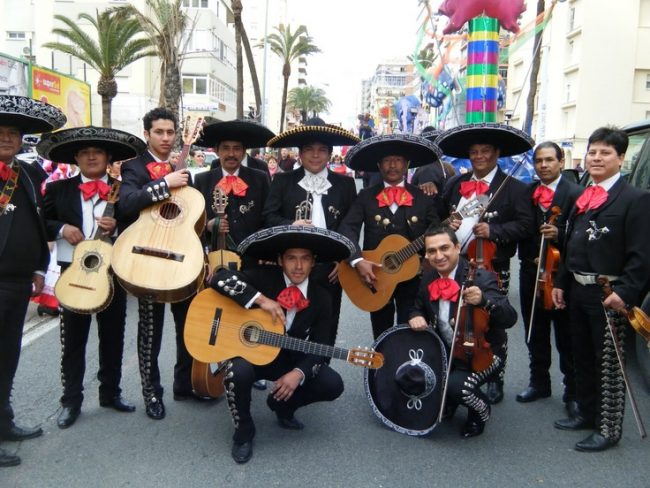
1. The Mariachi Style: Among all the traditional styles of music in Mexico, the mariachi is the one that is the most representative of Mexican culture. It typifies how the world identifies Mexico in terms of its music, folklore and culture. Like all traditional music around the world, the mariachi has not been invented by a single person, but instead is a blend of religion, culture and music. It is an intermingling of the indigenous culture with that of the Iberian folk and other black slaves that followed them. The name ‘mariachi’ itself is a bit debatable. One theory states that it is a derivative of the French word for ‘marriage’.
2. Ranchera: Literally meaning ‘Ranch Music’, Ranchera is the simpler form of Mexican music. It started out during the Mexican Revolution and has been famous ever since. The style uses a dominant vocal, backed by an acoustic guitar and horns every once in a while. The themes revolve around love and loneliness, and are usually keyed in happier sounding major scales. The music is rhythmic in nature and is generally done in the waltz, polka or bolero styles.
3. Banda: Being the Spanish word for ‘band’, this style of traditional Mexican music comprises large groups of musicians that play chiefly brass instruments along with little or no percussion. Stringed music is not used, although the keyboard is used sometimes. This style of music first began emerging when musicians started playing together, about 40 years back, especially in the northern Mexican state of Sinaloa. A number of percussion instruments, tubas, trumpets, and trombones are the chief instruments that are played.
4. Corrido: Corrido is an old style of Mexican folk ballad. The lyrics (and the colloquialism) come from working-class Mexicans and are often heavy with the Spanish style of romance and tragedy. Corridos are usually either grim or satirical. As with other traditional Mexican music, old corridos also describe real events that happened to people, although modern corridos include varying amounts of fiction.